When I Die – Rumi
I e…Netherlands, 10.11.2012
Sufism inspired writings of Persian poet and mystic Jalal ad-Din Muhammad ar-Rumi; these writings express the longing of the soul for union with the divine.
Jalāl ad-Dīn Muhammad Rūmī – also known as Jalāl ad-Dīn Muhammad Balkhī, Mevlânâ/Mawlānā (مولانا, “our master”), Mevlevî/Mawlawī (مولوی, “my master”) and more popularly simply as Rumi – was a 13th-century Persian poet, jurist, Islamic scholar, theologian and Sufi mystic who lived in Konya, a city of Ottoman Empire.
Rumi – When I die
when my coffin
is being taken out
you must never think
I am missing this world
don’t shed any tears
don’t lament or
feel sorry
I’ m not falling
into a monster’s abyss
when you see
my corpse is being carried
don’t cry for my leaving
I’m not leaving
I’m arriving at eternal love
when you leave me
in the grave
don’t say goodbye
remember a grave is
only a curtain
for the paradise behind
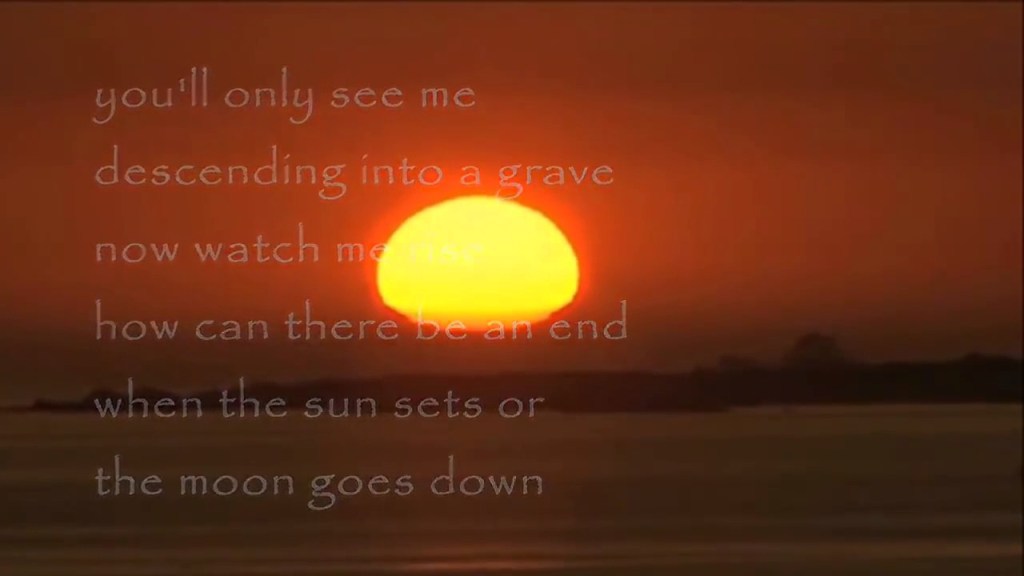
you’ll only see me
descending into a grave
now watch me rise
how can there be an end
when the sun sets or
the moon goes down
it looks like the end
it seems like a sunset
but in reality it is a dawn
when the grave locks you up
that is when your soul is freed
have you ever seen
a seed fallen to earth
not rise with a new life
why should you doubt the rise
of a seed named human
have you ever seen
a bucket lowered into a well
coming back empty
why lament for a soul
when it can come back
like Joseph from the well
when for the last time
you close your mouth
your words and soul
will belong to the world of
no place no time
📌 Blog Excerpt
Rumi’s poem “When I Die” conveys a profound message about death, inviting loved ones to view it not as an end but as a transition to eternal love and unity with the divine. He emphasizes that the grave is merely a veil to paradise, encouraging a perspective of renewal rather than loss.
 In what kind of world do we wish to live