American Justice and the Public Good
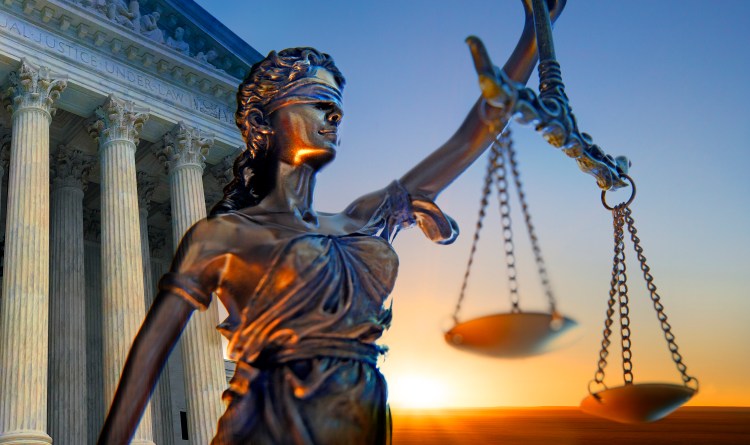
From a European perspective, the North American justice system, like any legal framework, is fraught with complexities and limitations, shaped by historical, cultural, and societal factors. One can argue that America’s justice system operates on a two-tiered basis, applying different standards to individuals based on wealth, social status, or race. High-profile cases, plea deals, and sentencing disparities fuel this perception.
The controversial 14 May 2011 arrest of Dominique Strauss-Kahn, former French Minister of Economy and Finance and managing director of the IMF, exemplifies this issue. Accused of sexually assaulting a hotel maid, Strauss-Kahn was publicly paraded handcuffed and unshaven before legal proceedings had even begun. This premature display of presumed guilt revealed an unsettling aspect of the American justice system, which often convicts suspects in the court of public opinion before they have a chance to defend themselves. This pre-emptive humiliation effectively ended Strauss-Kahn’s nascent political career, reflecting a justice system that seems shameless in its actions.
High-profile cases often become public spectacles, where defendants are paraded in front of cameras, handcuffed and unshaven, before they have a chance to defend themselves. This practice undermines human dignity and turns the process into a media circus, damaging reputations and careers regardless of the eventual legal outcome.
It is disheartening to see esteemed authorities organize what appears to be a public lynching. These spectacles often serve the interests of “gung-ho” prosecutors seeking publicity and tabloids hungry for increased circulation and ratings. The so-called “public interest” often seems to justify these actions, but as Ayn Rand noted, “the public” is merely a collection of individuals, and sacrificing the interest of some to serve the interests of others is inherently flawed. This concept of “public interest” is manipulatively used to justify actions that serve the interests of those in power.
There is an inherent tension between privacy, free speech, and the public’s right to know. Media claims of serving the “public interest” often mask self-serving motives. The primary question should always be: Did the event take place as suggested? Is the defendant guilty or innocent? While considering the rights of the supposed victim is crucial, due process should always prevail over innuendo, gossip, and “cowboy” justice.
Allegations are easy to make but difficult to prove. Unfortunately, proving allegations is often secondary to destroying a person’s reputation and making them socially unacceptable. This strategy undermines the integrity of law enforcement in North America, where guilt or innocence seems to matter less than the convenience of plea bargains.
The U.S. criminal justice system’s imbalance is stark, especially in its treatment of juvenile offenders and the lasting repercussions they face. With less than five percent of the world’s population, the U.S. holds almost twenty-five percent of the world’s prison population. This disproportionate incarceration rate highlights significant systemic issues. The system’s emphasis on criminalization and incarceration over rehabilitation needs re-evaluation and reform. Functional illiteracy, affecting 14% of the population, poses a significant challenge. The Department of Justice links academic failure with delinquency, noting that 85 percent of juveniles in the court system are functionally illiterate, underscoring the need for comprehensive literacy initiatives.
The practice of plea bargaining has become an art form, mastered by skilled prosecutors and defence attorneys. Public humiliation is part of this strategy, especially for those who can afford gifted attorneys. Less fortunate defendants often become mere statistics, highlighting the system’s inequities.
“Guilty” or “innocent” should matter profoundly, with the law acting as a gentle sheet that reveals the unique shape of the accused. The line between “freedom” and “incarceration” is fragile, with the state’s power being massive. Defendants, whether guilty or innocent, often face conviction in the court of public opinion long before their day in court.
From a European perspective, one might naively ask American friends: Whatever happened to the presumption of innocence until proven guilty in a court of law? What about the protection of privacy rights? In most civilized European countries, authorities are barred from showing defendants’ arrest photos and full names in the media; only initials are used until conviction.
Europe benefits from the European Convention on Human Rights, which provides a restrictive definition of privacy and prevents the Anglo-Saxon media excesses and ruthlessness seen elsewhere. The European legal system is more humane and effective, with no capital punishment and judges appointed by the state, separated from political pressures. In the U.S., judicial selection must balance accountability, which demands judges bend to popular and political pressures, with judicial independence, which demands adherence to the rule of law.
WJJH – 21-5.2011 – Modified 1.9.2024
📌Blog Excerpt
Diatribe: The North American justice system is seen from a European perspective as complex and influenced by historical, cultural, and societal factors. High-profile cases and plea deals shape a perception of a two-tiered system, with public humiliation undermining the presumption of innocence. The U.S. system’s imbalance, emphasis on incarceration, and media influence raise concerns compared to the European legal system’s more humane and effective approach.
 In what kind of world do we wish to live