Albert Camus: Autumn and the Cyclical Nature of Life
✍️Writer’s Note:
This reflection marks the turning of the seasons — not only in nature but in life itself. Inspired by Camus’s quiet defiance before the absurd, it speaks of maturity, transience, and renewal. Autumn, in its serene melancholy, becomes a mirror for acceptance — the grace of knowing one’s place in the eternal cycle.
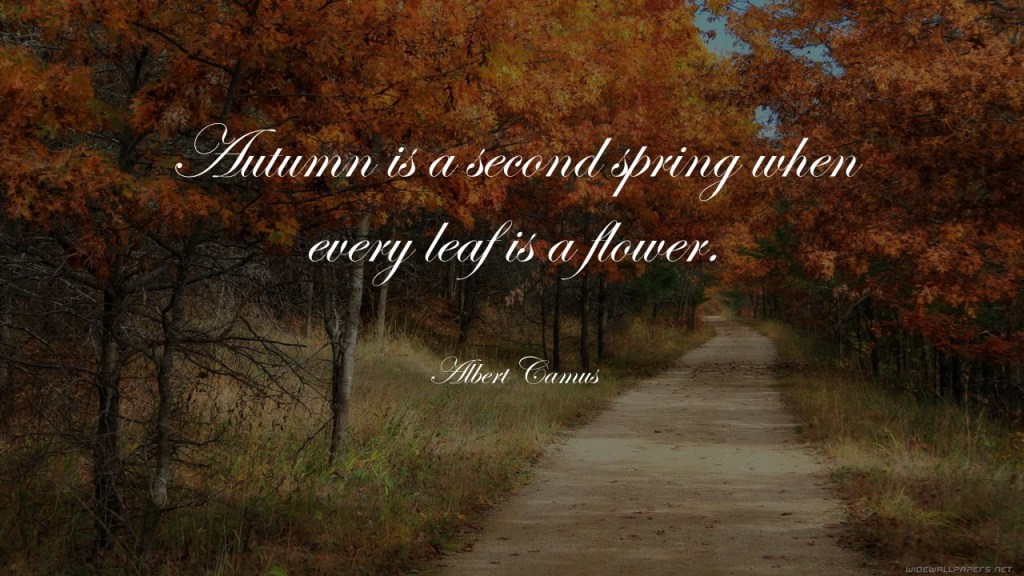
Line from Act 2 of Albert Camus his 1942 play The Misunderstanding (Le Malentendu).
Today, September 22, 2024, we welcome the autumnal equinox, marking the first day of autumn according to the astronomical definition of the seasons. From this point, the days will grow shorter than the nights as the Sun rises later, temperatures fall, and nature subtly begins its transformation. The landscape erupts in vibrant hues as the leaves cascade from the trees, and nightfall arrives earlier each day.
Though I appreciate all seasons, the Autumn Equinox holds special significance for me, perhaps because I was born under the eighth sign of the Zodiac, in mid-November, early one freezing morning with snow gently falling and the sun soft upon the horizon. Autumn has always been my favourite season, stirring feelings within me that no other time of year can evoke. Yet, I also recognize that the seasons cannot be viewed in isolation. This interconnectedness is masterfully captured by Antonio Vivaldi in his Four Seasons, where each piece reflects nature’s transformation and the emotions it stirs within us.
Spring heralds the start of this eternal cycle—a time of renewal, rebirth, and rejuvenation, where life blooms once again with the promise of continuation. Summer follows, symbolizing the peak of life, with the sun’s warmth infusing the world with energy and vitality.
Autumn, however, stands apart as the season of maturity—a moment when nature reaches its zenith, finding balance before slowly beginning to fade. Winter then closes the cycle, often representing life’s end—the final chapter in our story. In the long, cold nights, winter offers moments of reflection, a time to gather by the fire with red wine and good company. The bare trees and the northern winds signal the arrival of snow, bringing not just the end of the year but also the start of festivities and the dawn of a new cycle.
As a former runner, autumn holds an even deeper resonance for me. Running through the woods after the heat of summer is invigorating, especially in the early morning when fog rises over the pond and dew sparkles on the grass. The silence of the dawn, with the golf links bathed in morning light, offers a peaceful solitude.
In the woods, the crisp air and rustling leaves create a symphony between man and nature, turning each step into a meditative experience. In these moments, the balance of autumn is palpable—a perfect backdrop for my running mantra: “Run fast enough to get there, but slow enough to see.”
Autumn, with its inevitable slide into winter, represents the beginning of the end—a time when nature, in its decay, finds beauty and equilibrium. The brilliant colors of the falling leaves remind us of the fragility of life. Albert Camus captured this truth so eloquently: “Autumn is a second spring when every leaf is a flower.”
This thought transports me to the vibrant Indian Summer of New England and my adventurous years in Toronto. It echoes the sentiments of Robert Frost’s “The Road Not Taken,” and takes me back to Oktoberfest in Munich, Thanksgiving, and Diwali, the Festival of Lights.
Now, as I enter the winter of my own life, I reflect on Camus’ words with deeper understanding. The falling leaves mirror the impermanence of existence, reminding me of the wisdom of Sri Nisargadatta Maharaj: “What is born, must die.”
Having navigated eight decades, I embrace the seasons’ wisdom. Like autumn, I accept the onset of decline without regret, recognizing its inevitability in life’s grand symphony. With more years behind me than ahead, my daily walks have become sacred rituals of health, reminding me that true wealth resides in well-being, not material possessions.
As I reflect on the choices that have shaped my journey, the lands I’ve traversed, and the friends who have departed, I find peace in the passage of time. With age has come self-realization and acceptance, and in the twilight of life, I look toward the horizon with hope and anticipation, free from contradictions, embracing the mysteries that lie ahead.
William J J Houtzager, Aka WJJH, September 2024
📌Blog Excerpt
Reflecting on the significance of autumn, this piece explores how the season symbolizes maturity, balance, and the cyclical nature of life. After eight decades of living, beauty and wisdom can be found in the quiet transition between abundance and decline. Realism lies in embracing impermanence — finding peace not in resistance, but in understanding and acceptance.
 In what kind of world do we wish to live