From Ceil to Conscience: Contemplating the Ethics of Trophy Hunting
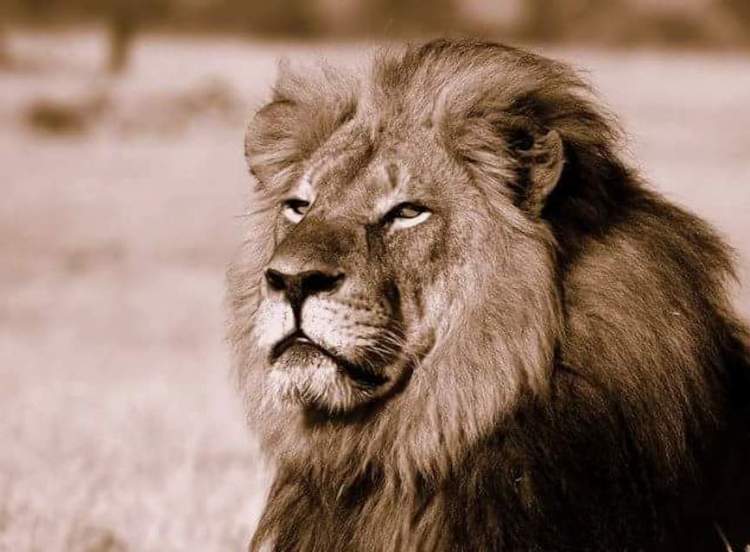
Walter J. Palmer and other self-proclaimed “trophy hunters” who venture to Africa to engage in destructive practices exhibit a disturbing lack of moral and ethical values, reflecting a broader trend in our society. As Dr. Andrew Plumtre rightly emphasizes, the dignity and welfare of humans are deeply intertwined with the dignity and survival of wild animals. It is unfathomable how anyone could derive pleasure from the senseless killing of these magnificent creatures. Such acts are not only incomprehensible but also inherently evil.
While individuals like Mr. Palmer may believe their actions are legally sanctioned, having paid exorbitant sums for permits, they remain the faces of a deplorable industry. By luring Cecil out of the safety of the Hwange National Park in Zimbabwe and killing him, Palmer and his guide Theo Bronkhorst became the symbol for this reprehensible behaviour and faced public outrage. However, they are not the sole culprits. The governments of countries like Zimbabwe and Zaire share a significant burden of responsibility by issuing hunting permits and enabling such barbaric practices for financial gain.
It’s noteworthy that historical figures like Ernest Hemingway and William Faulkner engaged in African safaris, but times have changed. The emotional outpouring on social media, while expressing genuine outrage, often lacks tangible results beyond the realm of keyboards and screens.
The truth remains that while it may be difficult to entirely halt trophy hunting, civilized societies must condemn such intolerable actions. Legal measures should be urgently enacted to ban the importation of trophies, signaling a collective stance against the wanton destruction of wildlife.
In the case of Zimbabwe, culpability lies not just with individual hunters but primarily with leaders like Mr. Mugabe and his cohorts. Their mismanagement and corruption have brought the country to its knees, leading to rampant poverty, staggering unemployment rates, and the breakdown of wildlife protection measures.
In an environment devoid of rule of law, the Zimbabwean government has allowed these atrocities to occur unchecked, mirroring its disregard for the country’s well-being at large. Mr. Mugabe’s infamous celebration of his 91st birthday with a cooked elephant epitomizes the callousness ingrained within the leadership.
In the face of such systemic failures, it’s imperative for international communities to hold accountable not just the hunters, but also the governments complicit in enabling these acts of cruelty and ecological devastation. Only through collective action and unwavering condemnation can we hope to safeguard the precious wildlife that graces our planet’s landscapes.
Netherlands, WJJH, August 2015 – Modified February 2024
📌 Blog Excerpt
The reprehensible act of trophy hunting, exemplified by the killing of Cecil in Zimbabwe, reflects a disturbing lack of moral values. Beyond individual hunters, governments must be held accountable for enabling such cruelty. Increasing legal measures and international condemnation are crucial to protect our planet’s precious wildlife from further devastation.
 In what kind of world do we wish to live